Introduction
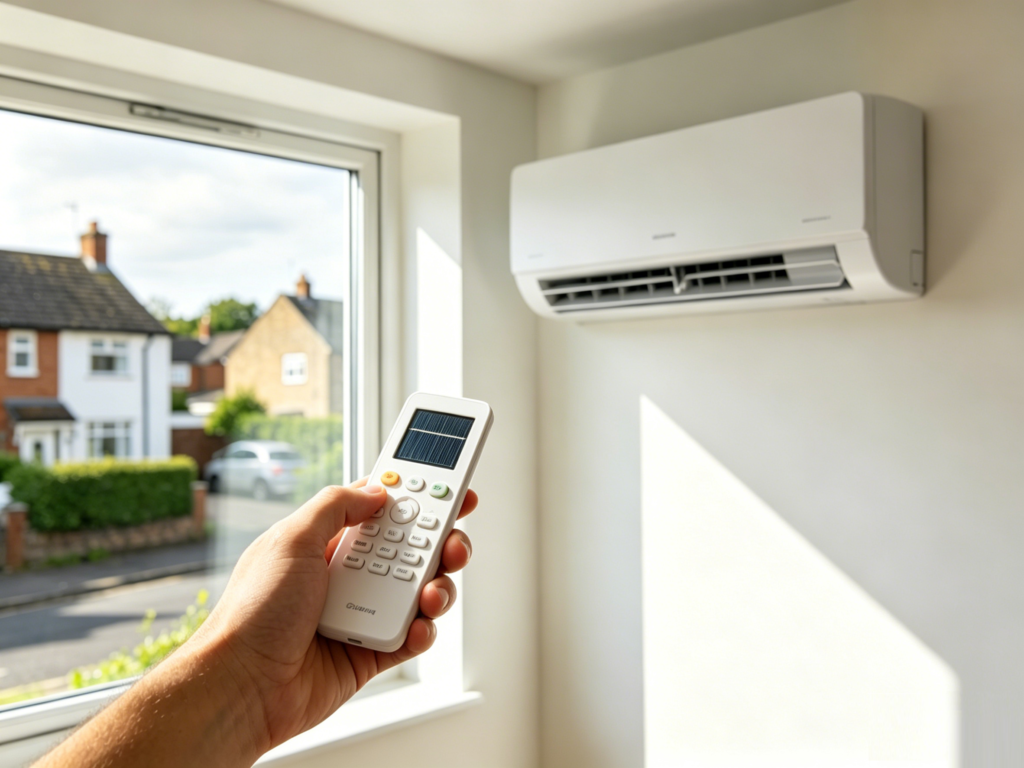
While the world pushes for sustainability, a UK-based air conditioner brand noticed a neglected detail—remote control batteries. Thousands of used batteries are discarded every year, and they decided to make a change. Here’s their story. This light-powered remote case study explores how a UK air conditioner brand replaced traditional battery-operated remotes with a sustainable, battery-free solution.
Light-Powered Remote Case Study: The Challenge
In this light-powered remote case study, we examine how a simple component change can make a meaningful environmental impact. Our client is a UK-based air conditioner manufacturer known for energy-efficient products and a strong reputation in the European market. With environmental regulations tightening and consumers demanding greener products, they were reviewing every aspect of their offering.
One thing stood out: every AC unit came with a remote, and every remote needed batteries replaced regularly. Despite improvements in battery technology, used batteries still end up in landfills—a small but real environmental burden. For a brand built on “green,” this was a nagging concern.
“We worked so hard to make our AC units energy-efficient, yet we overlooked a small device that generates waste every single day,” the client’s project manager told us.
The Opportunity
The client’s initial idea was simple: extend battery life so users replace them less often. They came to us hoping for a hardware solution.
But as we discussed the challenge in depth, a bolder idea emerged—what if the remote could eliminate batteries entirely?
Our Solution: A Light-Powered Remote
After multiple technical discussions and feasibility assessments, we developed a custom light-powered remote control:
-
Light-to-energy technology: Built-in high-efficiency conversion module that turns natural or indoor light into electricity—no dry batteries needed.
-
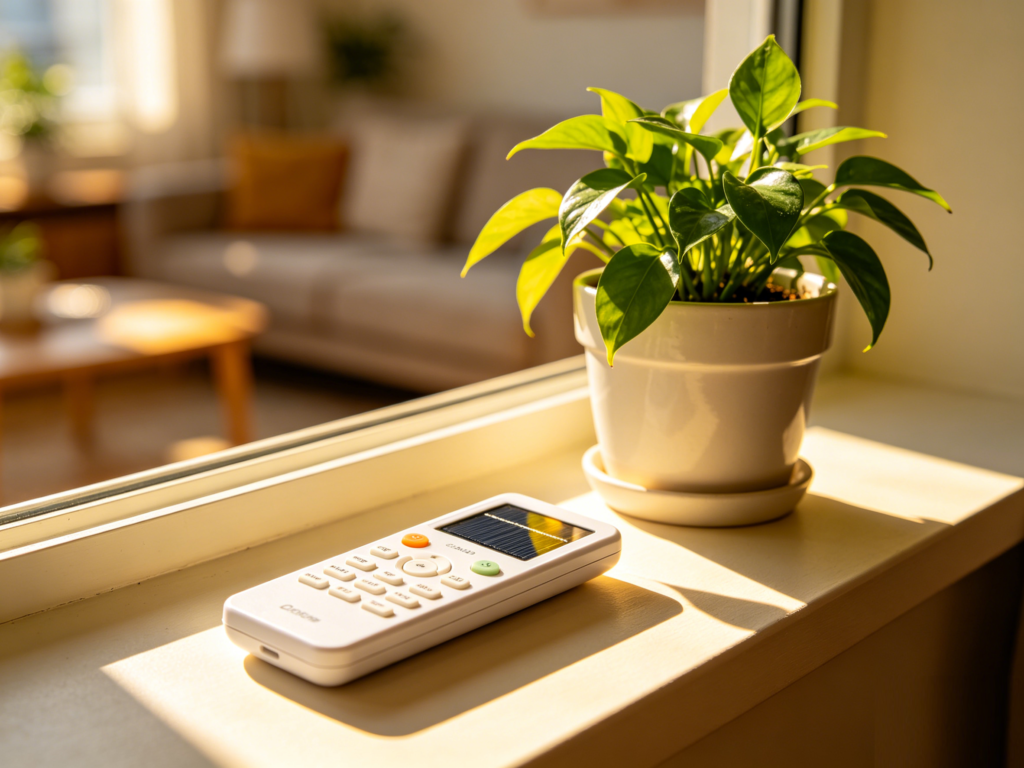
Storage capacitor: Stores enough power from just 3-4 hours of light exposure to support 3 months of regular use.
-
Low-power design: Smart power management ensures every bit of energy is used efficiently.
For end-users, it’s incredibly simple: place the remote on a windowsill or balcony where it receives natural light. 3-4 hours of light exposure generates enough power for 3+ months of use. Light to energy, in an endless cycle.
(Note: prolonged exposure to strong direct sunlight is not recommended.)
Light-Powered Remote Case Study: The Results
After launch, the product received enthusiastic feedback from UK consumers. Many shared their pleasant surprise on social media about “a remote that never needs batteries.” Even environmental groups highlighted it as an example of smart green product design.
The client’s Marketing Director told us: “This remote helps our brand live up to our environmental promise in a tangible way. More importantly, it shows our customers that we care about every detail. Sometimes, it’s the small things that truly connect.”
Final Thought
Sustainability isn’t just a big slogan—it’s the sum of small choices. Starting with eliminating one battery, green energy becomes part of everyday life.
If you want to add a green touch to your product, let’s talk. Change starts with a remote. Contact Us with your thought.